SFDN2 Advanced Dry Needling: Segmental & Perineural Strategies for the Complex Patient
The Advanced Dry Needling: Segmental & Perineural Strategies for the Complex Patient (SFDN2) course, comprising 27 contact hours, will enhance clinicians’ skills in diagnosis-focused dry needling and intramuscular stimulation, emphasizing segmental physiology (dorsal-horn and peripheral nerve), the Pentamodal Method, safety, and evidence-based dosing for acute, subacute, and chronic pain conditions. The course encompasses peripheral, spinal, and supraspinal mechanisms, sophisticated peri-neural and periosteal procedures (such as periosteal “pecking”), electrical dry needling (EDN) parameters, and practical protocols for neuropathy, complex regional pain syndrome (CRPS), osteoarthritis, spinal pain, and sports recovery/regeneration. Prioritization will be given to safe anatomical practices, landmark recognition, EDN dosage, and case-based clinical reasoning.
This class is hybrid combination of online and in-person coursework consisting of:
- In-person lectures with discussions and lab practicals.
- In-person practical and written exam.
- Online lectures and presentations with an exam.
- Additional journal readings.
- A case study submission.
Jump to Section
This is a new, revamped version of our SFDN2 course. A lot has changed in dry needling over the years and we have expanded our full body courses into three classes based on our Pentamodal Method. Completing all three courses gives a practitioner the complete Pentamodal Method.
Prerequisite required
All students must have completed Structure & Function Education’s “Foundations in Dry Needling for Orthopedic Rehabilitation and Sports Performance” (SFDN1).
Certification program
This class is part of our certification programs. For more information on our certification pathways click the learn more button.
Course Details
In this 27-hour lab-based course, clinicians will learn a diagnosis-focused approach to dry needling. They will acquire advanced skills essential for safe and proper needle insertion and removal, and learn effective strategies to address commonly encountered pain-related conditions.
Current science and research will be presented by our world-class instructors, along with extensive clinical experience and insights, enabling the immediate application of dry needling in the clinicians’ practice. Safety considerations will be emphasized. The use of intramuscular electrical stimulation will also be discussed, demonstrated, and practiced in class.
This advanced dry needling course will enhance clinicians’ skills in diagnosis-focused dry needling and intramuscular stimulation, emphasizing segmental physiology (dorsal-horn and peripheral nerve), the Pentamodal Method, safety, and evidence-based dosing for acute, subacute, and chronic pain conditions. The course encompasses peripheral, spinal, and supraspinal mechanisms, sophisticated peri-neural and periosteal procedures (such as periosteal “pecking”), electrical dry needling (EDN) parameters, and practical protocols for neuropathy, complex regional pain syndrome (CRPS), osteoarthritis, spinal pain, and sports recovery/regeneration. Laboratories prioritize safe anatomical practices, landmark recognition, EDN dosage, and case-based clinical reasoning.
Topics to be covered in class include
Learning Outcomes
A clinician that successfully completes this course will be able to:
General Schedule
Friday 8 am – 6:30 pm
Saturday 8 am – 6:30 pm
Sunday 8 am – 3:30 pm
View the detailed daily schedule.
additional coursework
Purchase the Human Body Coloring Book, Metro Books, 9781435160996. Review/Color: Pages, 18, 20-24, 65, 79,126-127, 136, 199-200. Bring book to class.
Case Study submission
As part of your practical exam for SFDN2, you are required to complete a case study. Ideally, this case study is a complicated case that did NOT have a good outcome and you are seeking advice from your colleagues. You may also use a complicated case that had excellent results and would like to share this case to benefit others. We will discuss each case study as a group and potentially demonstrate treatment techniques.
How to complete your case study
- Log-In to the online education portal with your username and password sent to you after your registration.
- Find the “SFDN2- Lectures and Resources for In-person Attendees” course.
- Click on “Upload Case Study Here Pre-course”
- Click on “Submit Case Study” lesson.
- Download the template file and complete each section. Save your file for future reference.
- Return to the “Submit Case Study” lesson and upload your file.
- Please bring a printed copy to class (or have one accessible on your tablet or laptop) and be prepared to share your thoughts about your case.
Required Reading
- De Greef, Indra, Marjolein Chys, Robert D. Gerwin, Kayleigh De Meulemeester, and Barbara Cagnie. “The Neurophysiological Effects of Dry Needling: An Update of a Narrative Review.” American Journal of Physical Medicine & Rehabilitation, ahead of print, September 2, 2025.
- Butts, Raymond, and James Dunning. “Peripheral and Spinal Mechanisms of Pain and Dry Needling Mediated Analgesia: A Clinical Resource Guide for Health Care Professionals.” International Journal of Physical Medicine & Rehabilitation 04, no. 02 (2016).
- Zhang, Shuai, Xu Wang, Chao-Qun Yan, et al. “Different Mechanisms of Contralateral- or Ipsilateral-Acupuncture to Modulate the Brain Activity in Patients with Unilateral Chronic Shoulder Pain: A Pilot fMRI Study.” Journal of Pain Research Volume 11 (March 2018): 505–14
- Kelly, Nina F., Cody J. Mansfield, Eric Schneider, et al. “Functional Connectivity Patterns Are Altered by Low Back Pain and Cause Different Responses to Sham and Real Dry Needling Therapies: A Systematic Review of fMRI Studies.” Physiotherapy Theory and Practice 40, no. 4 (2024): 671–88.
Suggested Reading:
- Chaabna, Karima, Anupama Jithesh, Jibrail Cheema, Jasmine Aboughanem, and Ravinder Mamtani. “Western Medical Acupuncture Techniques for Pain Management in Athletes: A Systematic Review and Meta-Analysis.” Frontiers in Medicine 13 (n.d.): 1737602. https://doi.org/10.3389/fmed.2026.1737602.
- Tolbert, Melissa, K. Suzanne Leach, Matthew P. Condo, Anthony Mancini, and Rachel Tinius. “Patient-Perceived Benefits and Adverse Events of Dry Needling.” International Journal of Sports Physical Therapy 20, no. 9 (2025). https://doi.org/10.26603/001c.143187.
- Trybulski, Robert, Adrian Kużdżał, Marek Kiljański, et al. “Adverse Reactions to Dry Needling Therapy: Insights from Polish Physiotherapy Practice.” Journal of Clinical Medicine 13, no. 23 (2024): 7032. https://doi.org/10.3390/jcm13237032.
- Langevin, Helene M. “Addressing Gaps in Pain Research from an Integrated Whole Person Perspective.” Pain 165, no. 11S (2024): S23–32. https://doi.org/10.1097/j.pain.0000000000003359.
- Rodríguez-Huguet, Manuel, Maria Jesus Vinolo-Gil, and Jorge Góngora-Rodríguez. “Dry Needling in Physical Therapy Treatment of Chronic Neck Pain: Systematic Review.” Journal of Clinical Medicine 11, no. 9 (2022): 2370. https://doi.org/10.3390/jcm11092370.
Examinations
Students must complete and pass all examinations with a 75% proficiency. The online exam is from material presented in the online lectures. The written exam material comes from the in-person lectures and demostrations. The practical examination encompasses the presentation of a safe needling strategy, selection of EDN parameters, and execution of laboratory techniques.
Testimonials
freqently asked questions
Who can take SFDN2?
Course Participants are strongly encouraged to check their local practice acts or other governing policies to ensure their ability to practice Dry Needling. This course is made available to all relevant clinical (PT, OT, ATC, SLP, Chiro) licensees on a non-discriminatory basis. The following healthcare professionals are the main audience for this course:
Acupuncturists, Athletic Trainers (ATC), Chiropractors (DC), Doctors of Medicine (MD), Doctors of Osteopathic Medicine (DO), Nurse Practitioners (NP), Occupational Therapists (OT), Physical Therapists (PT/DPT), Physician Assistants (PA), Registered Nurses (RN)
I have taken dry needling courses from another company can I skip taking SFDN1?
No.
Is attendance mandatory?
Attendees are required to attend and participate in the entire course in order to receive the Certificate of Completion and any CEU credit. Exceptions to this rule will not be allowed under any circumstances.
Please ensure you sign in at the start of each learning day, as well as after the mid-day break to ensure you receive full credit for attending.
Course materials and supplies
All supplies necessary for the course will be provided with the following exceptions:
- https://www.lhasaoms.com/ito-es-130
- https://www.lhasaoms.com/e-stim-ii
- https://www.lhasaoms.com/pointer-excel-ii-lt-stimulator
- https://www.lhasaoms.com/ito-es-160
If you have a latex allergy, it is recommended for you to bring your own gloves for use during lab practicals.
You will receive an email prior to the course you register for with the following information:
- Any course specific instructions such as location reminder, parking instructions, class check-in times, etc
- Log-in information and instructions for the online education platform
- This log in information will allow you to access the Advanced Course presentations, course resources, course certificate, etc.
- Please be sure to log in successfully to the back end of the website prior to class
Upcoming Courses
Events
-
-
Learn Advanced Dry Needling (SFDN2): Segmental and Perineural Strategies for the Complex Patient in Boston, MA on July 24th, 2026
Boston College Yawkey Athletic Center 35 Campanella Way, Chestnut Hill, MA, United StatesIn Boston, MA, on July 24-26, 2026, you can learn Advanced Dry Needling: Segmental & Perineural Strategies for the Complex Patient (SFDN2). This 27 hour course, will enhance clinicians’ skills in diagnosis-focused dry needling and intramuscular stimulation. Emphasizing segmental physiology (dorsal-horn and peripheral nerve), our Pentamodal Method, safety, and evidence-based dosing for acute, subacute, and chronic pain conditions. The course encompasses peripheral, spinal, and supraspinal mechanisms, sophisticated peri-neural and periosteal procedures (such as periosteal “pecking”), electrical dry needling (EDN) parameters, and practical protocols for neuropathy, complex regional pain syndrome (CRPS), osteoarthritis, spinal pain, and sports recovery/regeneration. Prioritization will be given to safe anatomical practices, landmark recognition, EDN dosage, and case-based clinical reasoning.
-
-
Learn Advanced Dry Needling (SFDN2): Segmental & Perineural Strategies for the Complex Patient in Columbus, OH on Oct 2nd, 2026
Memorial Health - Marysville OH 500 London Ave, Marysville, OH, United StatesIn Columbus, OH, on October 2-4, 2026, you can learn Advanced Dry Needling for the Complex Patient: Segmental & Perineural Strategies (SFDN2). This 27 hour course, will enhance clinicians’ skills in diagnosis-focused dry needling and intramuscular stimulation. Emphasizing segmental physiology (dorsal-horn and peripheral nerve), our Pentamodal Method, safety, and evidence-based dosing for acute, subacute, and
Get Tickets $1,295.00 -
-
Learn Advanced Dry Needling (SFDN2): Segmental & Perineural Strategies for the Complex Patient in Raleigh, NC on Dec 4th, 2026
NCFC Youth - Spring Forest Road - Raleigh 3150 Spring Forest Rd, Suite 116, Raleigh, NC, United StatesIn Raleigh, NC, on December 4-6, 2026, you can learn Advanced Dry Needling for the Complex Patient: Segmental & Perineural Strategies (SFDN2). This 27 hour course, will enhance clinicians’ skills in diagnosis-focused dry needling and intramuscular stimulation. Emphasizing segmental physiology (dorsal-horn and peripheral nerve), our Pentamodal Method, safety, and evidence-based dosing for acute, subacute, and chronic pain conditions. The course encompasses peripheral, spinal, and supraspinal mechanisms, sophisticated peri-neural and periosteal procedures (such as periosteal “pecking”), electrical dry needling (EDN) parameters, and practical protocols for neuropathy, complex regional pain syndrome (CRPS), osteoarthritis, spinal pain, and sports recovery/regeneration. Prioritization will be given to safe anatomical practices, landmark recognition, EDN dosage, and case-based clinical reasoning.
Get Tickets $1,295.00
Educators
Sue Falsone PT, MS, SCS, ATC, CSCS, COMT, RYT®, SFDN
Born in Buffalo, NY, Sue received a bachelor’s degree in physical therapy from Daemen College in Amherst, New York. She continued her education by earning a master’s degree in human movement science, with a concentration in sports medicine, from the University of North Carolina at Chapel Hill.
Sue is the founder of Structure & Function Education, an education company dedicated to educating health care professionals and author of Bridge the Gap from Rehab to Performance. She holds the distinction of being the first female head athletic trainer in any of the four major sports in the United States (MLB, NFL, NHL, NBA).
Sue is a speaker and has presented at state, national and international level conferences. She’s a Board-Certified Clinical Specialist in Sports Physical Therapy (SCS), a certified athletic trainer (ATC), certified orthopedic manual therapist for the spine (COMT), a certified strength and conditioning specialist (CSCS) through the National Strength and Conditioning Association and a Registered Yoga Teacher (RYT- 200) through Yoga Alliance.
Sue worked at Athletes’ Performance, the Los Angeles Dodgers, the US Soccer’s Men’s National Team and has a private practice for professional players. She was also named a Distinguished Alumni at Daemen College and has been inducted into her high school’s Athletic Hall of Fame (Kenmore West).
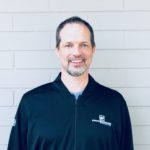
Brian Hortz, PhD AT
Born in Camden, NJ, Brian received a B.A. in physical education with a concentration in sports medicine from Denison University, a masters degree in sports medicine from Ohio University and his doctoral degree in Exercise Science from Ohio State University. Dr. Hortz is an Instructor and the Director of Research and Education for Structure & Function Education. He has been teaching with Structure & Function Education for several years. Dr. Hortz teaches the Foundations and Advanced courses. In addition to his work with Structure & Function Education, he also has a concierge practice and continues to work one-on-one with athletes to make them well.
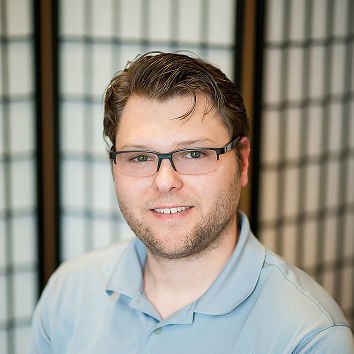
Justin Hildebrand
Justin Hildebrand is the co-owner of NXT Rehab & Wellness and IV Nutrition -Liberty in the Kansas City Metro Area. He graduated from Cleveland Chiropractic College with his Doctorate of Chiropractic and currently is adjunct faculty instructing palpation and manipulation courses. Dr. Hildebrand is board certified and licensed Chiropractor in Kansas and Missouri.
Justin works as a sports and orthopedic chiropractor seeing runners, triathletes, and powerlifters of all levels. He previously was the chiropractor for the Missouri Comets professional indoor soccer team and for the 2x NWSL Champion FC Kansas City female soccer team. Dr. Hildebrand works with and instructs for chiropractic state organizations on orthopedic and assessment strategies.
Orthopedic Rehab and Sport Performance
In this 27-hour lab-based course, the clinician will expand on the diagnosis-focused approach to dry needling and intramuscular stimulation. Further development of the Pentamodal Method introduced in the Foundations Class will be a major focus for this course, emphasizing a whole body treatment approach to dry needling.
Course Provider: Organization
Course Provider Name: Structure & Function Education
Course Provider URL: https://structureandfunction.net/dry-needling-courses/sfdn2-advanced-dry-needling-for-orthopedic-rehab-and-sport-performance/
Course Mode: Blended
Course Workload: PT27H
Duration: PT27H
Repeat Count: 2
Repeat Frequency: Daily
Course Type: Paid
Course Currency: USD
5