

Dry Needling for Athletic Injuries: Useful Methods Employed by Leading Clinicians to Expedite Recovery
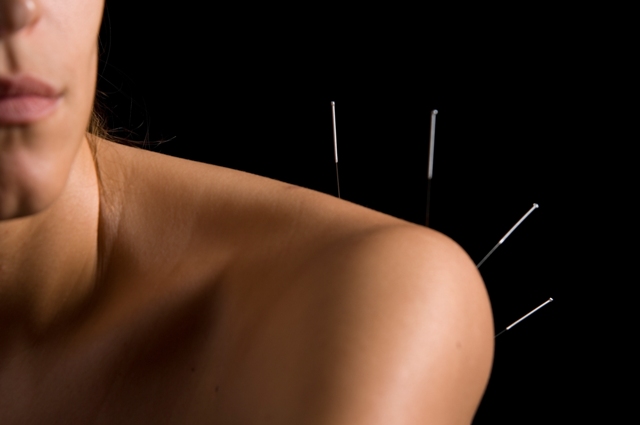
In the dynamic realm of sports medicine, athletes and professionals seek methods to expedite recovery, minimize downtime, and return to optimal performance swiftly. Dry needling for athletic injuries has emerged as a promising technique in this domain, demonstrating its efficacy in aiding athletes’ recovery from pain and muscular stiffness.¹ However, a comprehensive understanding of its concepts and evidence-based application, particularly regarding functional performance results, is crucial. This article synthesizes findings from recent systematic reviews by Kużdżał et al. (2025) and De Greef et al. (2025), alongside neuroimaging insights from Cho et al. (2006), to investigate the mechanisms through which dry needling for athletic injuries (DN) promotes recovery in sports, highlighting its recognized benefits and the potential for further improvement via advanced clinical training.¹⁻³
Prevalent Athletic Injuries and the Efficacy of Dry Needling as a Treatment
Dry needling for athletic injuries is frequently utilized within sports environments to treat various musculoskeletal conditions. A recent comprehensive review conducted by Kużdżał et al. (2025) emphasized that dry needling therapy in athletes primarily targets the lower limbs (58.3%) and shoulders (20.8%).¹ This observation corresponds with the incidence of injuries common in sports that require significant lower limb activity, such as running and soccer, as well as in sports involving overhead movements, such as volleyball and baseball.
The Mechanism of Dry Needling in Accelerating Recovery: An Overview of Its Functionality and Current Understanding
The efficacy of dry needling in sports rehabilitation is underpinned by a multifaceted interplay of peripheral, spinal, and central systems, resulting in reduced pain and enhanced tissue function. Kużdżał et al. (2025) assert that DN generally exhibits a beneficial impact on alleviating pain and muscle stiffness in athletes.¹ Numerous methods exist to accomplish this.
- Spinal Pain Gate Modulation: DN activates afferent nerve fibers, inhibiting the transmission of pain signals at the spinal cord level, consistent with the pain gate theory.²
- Processing Pain in the Central Nervous System (CNS): Neuroimaging studies (fMRI, PET) demonstrate that needling affects activity in essential pain-processing areas of the brain, including the anterior cingulate cortex (ACC) and thalamus. Cho et al. (2006) demonstrate that acupuncture-like stimulation reduces activity in pain-associated cortical areas, suggesting a cortical desensitization effect, even when compared with sham treatments.³ This central pain modulation is crucial for systemic pain relief beyond localized effects.
- Activation of the Endogenous Opioid System: Needling induces the release of endogenous opioids (such as endorphins and enkephalins) and other neurochemicals (including serotonin and norepinephrine) at both spinal and central levels.²˒³ Cho et al. (2006) clarify that this involves the activation of μ-opioid receptors in specific brain regions, including the ACC and hippocampus, leading to significant and enduring analgesia.⁴
- Myofascial Trigger Point Resolution: Dry needling alleviates muscle “knots” (MTrPs) and diminishes pathological muscle tension by regulating electrical activity and reducing excessive acetylcholine (ACh) at dysfunctional motor endplates, resulting in decreased muscle stiffness.2
- Localized healing response: The insertion of a needle induces microtrauma, initiating a transient inflammatory response that facilitates the regeneration of muscle fibers.2 It significantly enhances blood circulation and oxygenation in the region, which is crucial for tissue repair and for alleviating local ischemia and hypoxia, which are commonly observed in injured muscle.²
- Neuroimmune Interactions with HPA Axis Activation: Cho et al. (2006) emphasize the influence of needling on the neuroimmune system, particularly through the autonomic nervous system (ANS) and the Hypothalamic-Pituitary-Adrenal (HPA) axis.4 Needling can transmit sensory signals that activate the HPA axis, leading to the secretion of anti-inflammatory hormones, such as glucocorticoids and IL-10.2,4 This systemic anti-inflammatory effect is crucial for accelerating recovery from significant injury-related inflammation.
- Altering the composition of tissue: Mechanotransduction refers to the process by which mechanical stimulation induces fibroblasts to alter their structure and gene expression. This is crucial for accelerating tissue remodeling and repair, particularly in tendon healing and the restoration of healthy tissue architecture.2
- Neuromuscular Reset and Functional Considerations: DN consistently shows advantages in alleviating pain and muscle stiffness; however, Kużdżał et al. (2025) noted that it “may not yield significant improvements in functional performance among athletes.”¹ This underscores a significant detail: DN effectively enhances the healing environment and facilitates mobility; nevertheless, its impact on muscle strength, activity, and range of motion, particularly in healthy athletes, is comparatively limited. By enhancing the local tissue environment and altering central pain mechanisms, DN establishes a “window of opportunity” for other active rehabilitation interventions to function more effectively. This significantly enhances the neuromuscular reset and functional restoration.1
Incorporating Dry Needling for Athletic Injuries into Practice
A complete approach is essential for physicians to effectively employ dry needling for athletic injuries.
- Foundation in Precise Diagnosis: O’Malley (2024) underscores that a precise and thorough diagnosis is essential for guiding appropriate treatment.5 Prior to administering dry needling, physicians must conduct a comprehensive assessment to ascertain the specific concerns affecting the athlete, identify the implicated tissues, and evaluate other factors exacerbating the athlete’s condition. This degree of diagnostic precision ensures that dry needling is administered to the appropriate targets and integrated into a comprehensive treatment strategy, thereby maximizing its efficacy and safety.
- Identify Unique Injury Patterns: Meticulously examine and identify particular muscular issues and injuries commonly seen by athletes.
- Integrate DN with manual therapy, corrective exercises, and various therapeutic modalities. DN’s capacity to alleviate pain and stiffness, coupled with its influence on systemic inflammation and central pain regulation, facilitates active rehabilitation, which is crucial for bridging functional performance deficits.
- Instruct Athletes: Provide essential information on recovery and self-management, emphasizing the scientific rationale for DN.
- Obtain a more education: Due to the intricate CNS systems and the subtle outcomes on functional performance, education is essential. It is essential to receive training that emphasizes clinical rationale, specific implementation techniques, and integration within a broader continuum of rehabilitation and performance, rather than focusing solely on symptom reduction. This advanced training equips professionals to navigate complexity and achieve optimal outcomes when general DN is insufficient, addressing the evidentiary gaps identified by Kużdżał et al. (2025).1
Conclusions
Dry needling is a widely recognized and effective technique for managing sports injuries. Its success is based on complex neurophysiological and molecular mechanisms within the peripheral, spinal, and central nervous systems. It reliably reduces pain and muscle stiffness while also significantly modulating the body’s anti-inflammatory response and central pain modulation pathways. Consequently, it is a valuable tool for facilitating the healing process. The ability of dry needling to rapidly alleviate pain and stiffness makes it an essential intervention in treatment preparation. However, its direct benefits for improving functional performance should be integrated into comprehensive rehabilitation protocols and depend on accurate initial diagnosis. Healthcare professionals can enhance athlete recovery and performance by mastering these techniques and understanding their immediate advantages, as well as their role within a holistic rehabilitation framework. If you would like to learn more about how to use Dry needling for recovery, A large part of our advanced course covers many applications in this realm. Of course, there are also many of our foundations courses that cover applications to sport performance. Sign up for a course near you.
References
- Kużdżał, Adrian, Robert Trybulski, Jarosław Muracki, Sebastian Klich, Filipe Manuel Clemente, and Adam Kawczyński. “Dry Needling in Sports and Sport Recovery: A Systematic Review with an Evidence Gap Map.” Sports Medicine 55, no. 4 (2025): 811–44. https://doi.org/10.1007/s40279-025-02175-9.
- De Greef, Indra, Marjolein Chys, Robert D. Gerwin, Kayleigh De Meulemeester, and Barbara Cagnie. “The Neurophysiological Effects of Dry Needling: An Update of a Narrative Review.” American Journal of Physical Medicine & Rehabilitation, ahead of print, Sephttps://doi.org/10.1097/PHM.0000000000002855.
- Butts, Raymond, and James Dunning. “Peripheral and Spinal Mechanisms of Pain and Dry Needling Mediated Analgesia: A Clinical Resource Guide for Health Care Professionals.” International Journal of Physical Medicine & Rehabilitation 04, no. 02 (2016). https://doi.org/10.4172/2329-9096.1000327.
- Cho, Z. H., S. C. Hwang, E. K. Wong, et al. “Neural Substrates, Experimental Evidences and Functional Hypothesis of Acupuncture Mechanisms.” Acta Neurologica Scandinavica 113, no. 6 (2006): 370–77. https://doi.org/10.1111/j.1600-0404.2006.00600.x.
- . O’Malley P. A Correct Diagnosis is of Increasing Importance. Irish Medical Journal. 2024;117(3):88.

Brian Hortz, PhD AT
Born in Camden, NJ, Brian received a B.A. in physical education with a concentration in sports medicine from Denison University, a masters degree in sports medicine from Ohio University and his doctoral degree in Exercise Science from Ohio State University. Dr. Hortz is an Instructor and the Director of Research and Education for Structure & Function Education. He has been teaching with Structure & Function Education for several years. Dr. Hortz teaches the Foundations and Advanced courses. In addition to his work with Structure & Function Education, he also has a concierge practice and continues to work one-on-one with athletes to make them well.